











How to Export Keytos Shield Audit Logs to Splunk
Overview - How to Send Keytos Shield Logs to Splunk
Keytos Shield can send its audit logs to Splunk Cloud through an HTTP Event Collector (HEC), so your security team can search, alert on, and retain them alongside the rest of your security data.
Prerequisites
- An active Keytos Shield subscription.
- A Splunk Cloud instance and permission to create HTTP Event Collector data inputs.
How to Export Keytos Shield Audit Logs to Splunk
How to Enable Log Export in Keytos Shield
-
Open the Keytos Shield global portal in your browser (US Government Portal) and sign in.
-
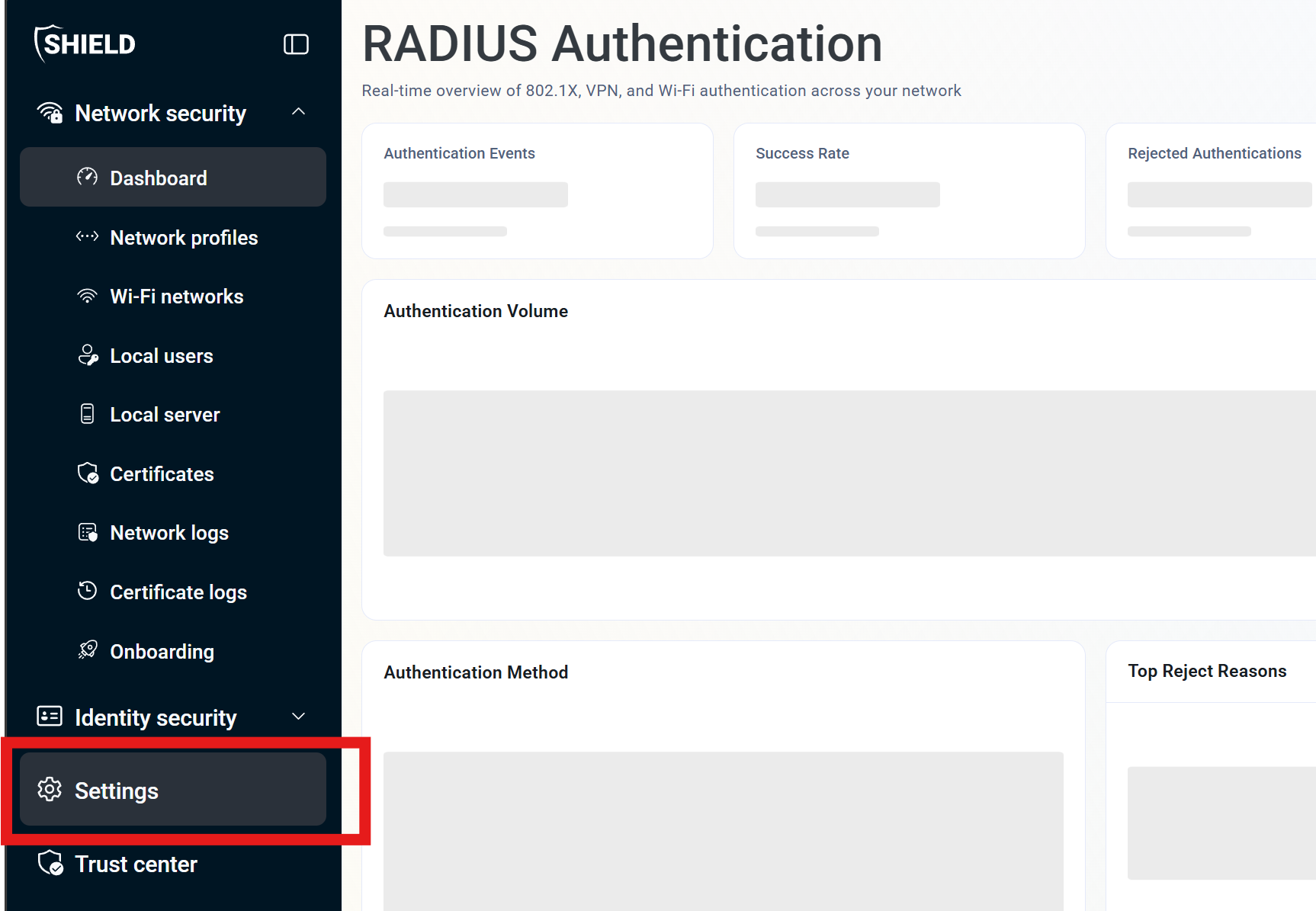
Click Settings in the left menu.
-
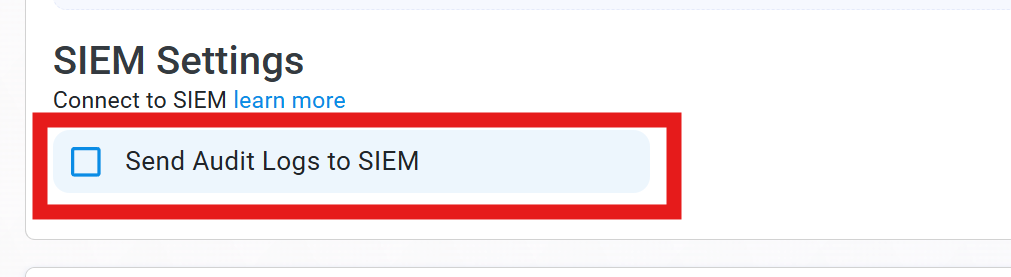
Scroll down to SIEM Settings and enable Send Audit Logs to SIEM.
How to Create an HTTP Event Collector in Splunk Cloud
-
In another tab, go to your Splunk Cloud instance.
-
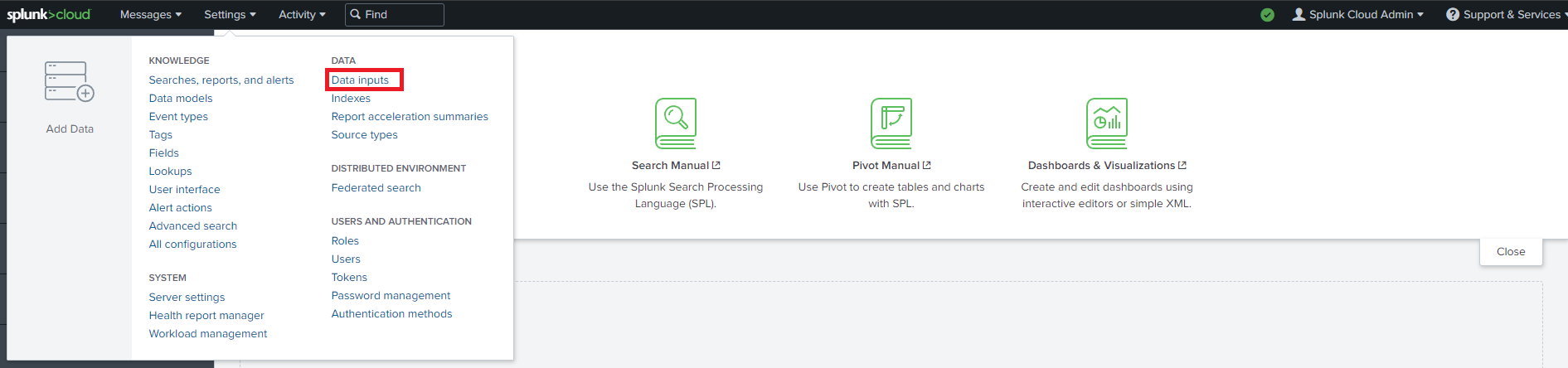
Click the Settings menu, then click Data inputs.
-
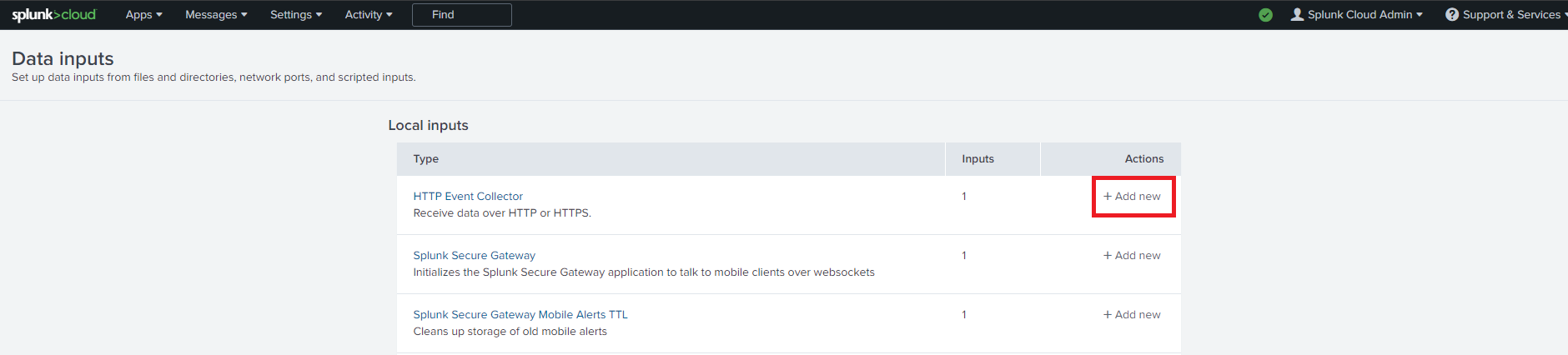
Click + Add new next to HTTP Event Collector.
-
Enter “Keytos” as the Name and click Next.
-
Leave the input settings at their default values and click Next.
-
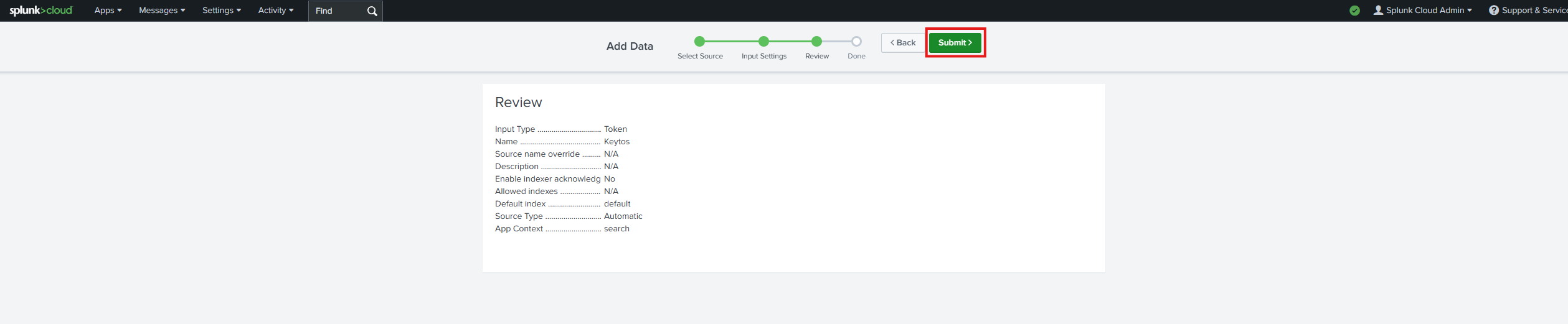
Click Submit.
-
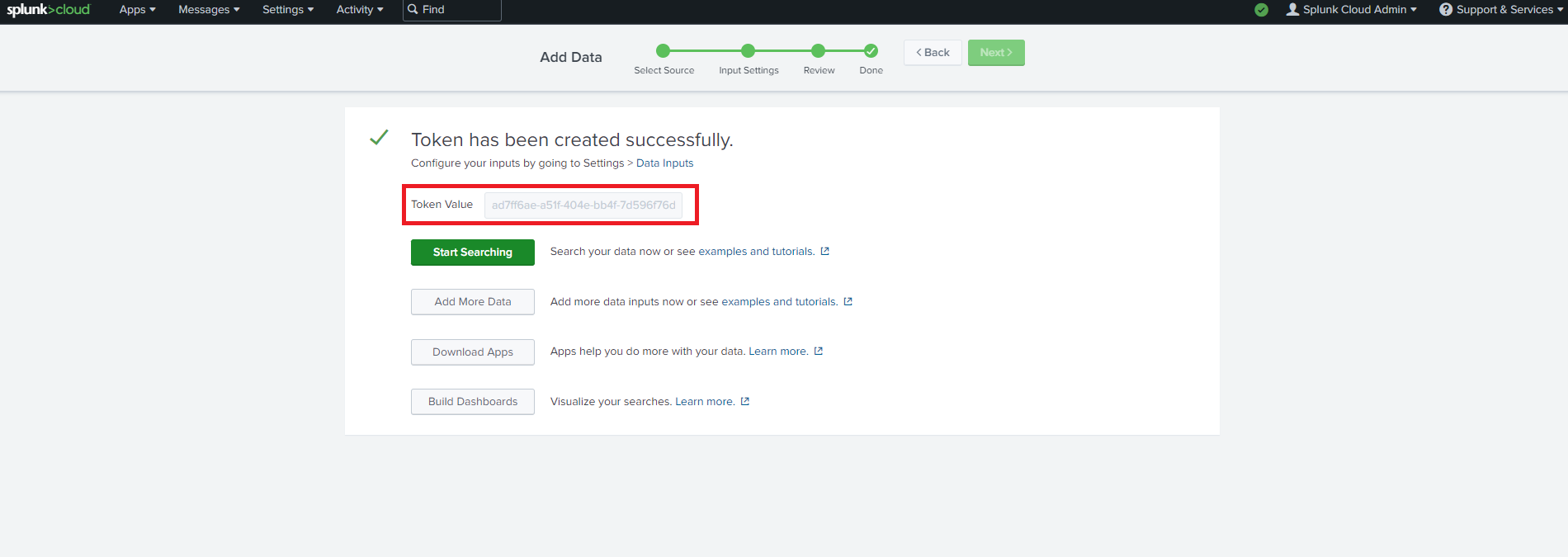
Copy the Token Value of the HTTP Event Collector you just created. Treat this token as a credential and don’t share it.
-
Copy the URL of your Splunk Cloud instance (for example,
https://<your-instance>.splunkcloud.com/).
How to Connect Keytos Shield to Splunk
-
Go back to the Keytos Shield tab.
-
From the SIEM Provider dropdown, select Splunk Cloud.

-
Paste your Splunk Cloud URL into Splunk URL and the HTTP Event Collector token into Workspace Key. Then click Test Connection. This sends a test log to Splunk (allow a few minutes for it to show up).

-
If the connection test succeeds, scroll up and click Save Changes to apply your SIEM configuration.
-
Done! Keytos Shield will now send your audit logs to Splunk.
Other Supported SIEM Platforms
Using a different SIEM? See all SIEM platforms supported by Keytos Shield.